
![How India Eradicated Polio [India's Success story]](https://topicflix.com/wp-content/uploads/2023/02/polio-drawing.jpg)
India’s success in eradicating polio is a remarkable public health achievement. The country was once considered the epicentre of the global polio epidemic, with thousands of new cases every year. However, through a sustained and coordinated effort involving the government, healthcare workers, and civil society, India was able to achieve polio eradication in 2014. Here are some of the key strategies and actions that contributed to India’s success in eradicating polio:
National Immunization Days (NIDs)
India’s government launched a massive immunisation campaign called National Immunisation Days (NIDs) in 1995. During NIDs, healthcare workers would go door-to-door to administer the oral polio vaccine to every child under the age of five. The campaign was repeated multiple times a year, and it became the largest public health campaign in the world.
Supplementary Immunization Activities (SIAs)
In addition to NIDs, India also implemented Supplementary Immunisation Activities (SIAs), which targeted high-risk areas and population groups with additional vaccination campaigns. SIAs were often implemented in response to outbreaks or to reach migrant populations and remote areas.
![How India Eradicated Polio [India's Success story]](https://topicflix.com/wp-content/uploads/2023/02/polio.jpg)
Polio Surveillance
India developed a robust polio surveillance system that tracked all suspected cases of acute flaccid paralysis (AFP) in children under 15 years old. Samples from all cases were tested for poliovirus, allowing health officials to detect and respond to outbreaks quickly.
Social Mobilization
India’s polio eradication effort was a massive social mobilization campaign, involving celebrities, religious leaders, and community members.
![How India Eradicated Polio [India's Success story],
Amitabh Bachchan Doing awareness campaign](https://topicflix.com/wp-content/uploads/2023/02/amitabh.jpg)
The government used mass media, including television and radio, to educate the public about the importance of polio vaccination and to dispel myths and rumors.
Political commitment
India’s political leadership demonstrated a strong commitment to polio eradication, with the Prime Minister and other high-level officials publicly supporting the effort. This helped to mobilise resources and sustain the effort over many years. Through these and other efforts, India was able to reduce the number of polio cases from more than 500 in 2010 to zero in 2014. Today, India remains polio-free, and the lessons learned from the country’s successful polio eradication campaign are being applied to other public health challenges.

About the Author
Ankita is a German scholar and loves to write. Users can follow Ankita on Instagram 

Do you know Belinda Bencic: Charming Swiss tennis player [pics]
Belinda Bencicise a charming and talented Swiss tennis player. She played her first professional tournament…

Who is Nidhi Chaudhary
Currently, Delhi-based Nidhi Chaudhary is a social media influencer who is often in the news…
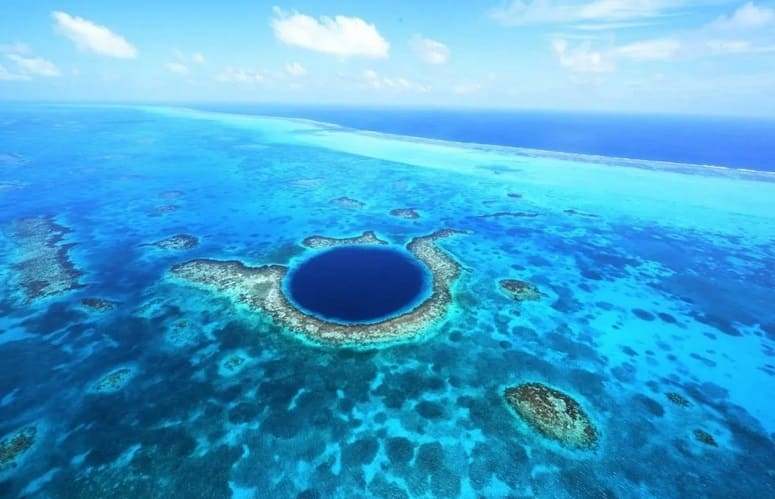
Tam Ja Blue Hole, is the world’s second largest blue hole going to become mysterious?
In 2023, Taam Ja’ Blue Hole, a giant hole hidden in a bay of the…

How can I rename Labels in WooCommerce ?
To rename labels in WooCommerce, you can use a plugin like “Say What” or add…

What is Pad Thai ?
Pad Thai is a Thai stir-fried noodle dish popular in Thailand and around the world….

What would have happened if Hitler had not started World War II?
Hitler is one of the most important figures in human history, causing World War II…
 Olivia
  manishhpro