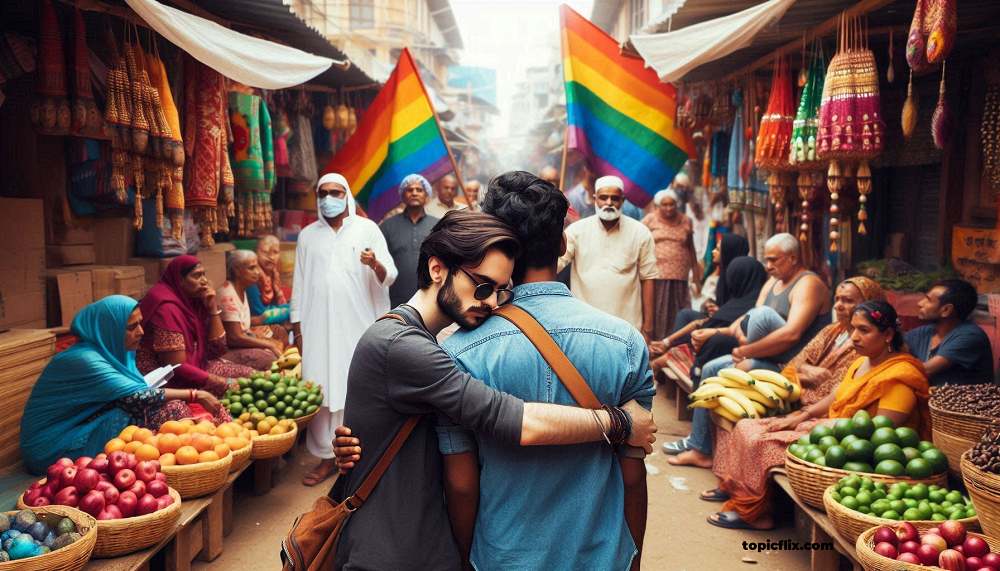

whispers and Staring is a problem for Indians. Indians start staring at anything that makes them uncomfortable. They talk softly, in whispers, like about intercaste marriages. The same is the case with homosexuality. Indians will never be seen talking about it openly. Even if someone talks openly, it will be considered rebellion. A normal Indian is doing the same.
A typical Indian feels uncomfortable about the LGBT group, and most people hold negative views about the LGBT community. A significant number of sexual minorities consider India an inhospitable country due to discrimination, but much has changed since the 2018 Supreme Court decision that nullified Section 377.
Although the legal status of same-sex couples has been recognised in some cases, same-sex marriages are still not legal. There have been cases in the country where courts or other government bodies have recognised the rights of same-sex couples.
Yes, in India, people who care about their reputation cannot speak openly about their “different orientation“, although some public figures and in large urban environments are less criticised for not hiding it.
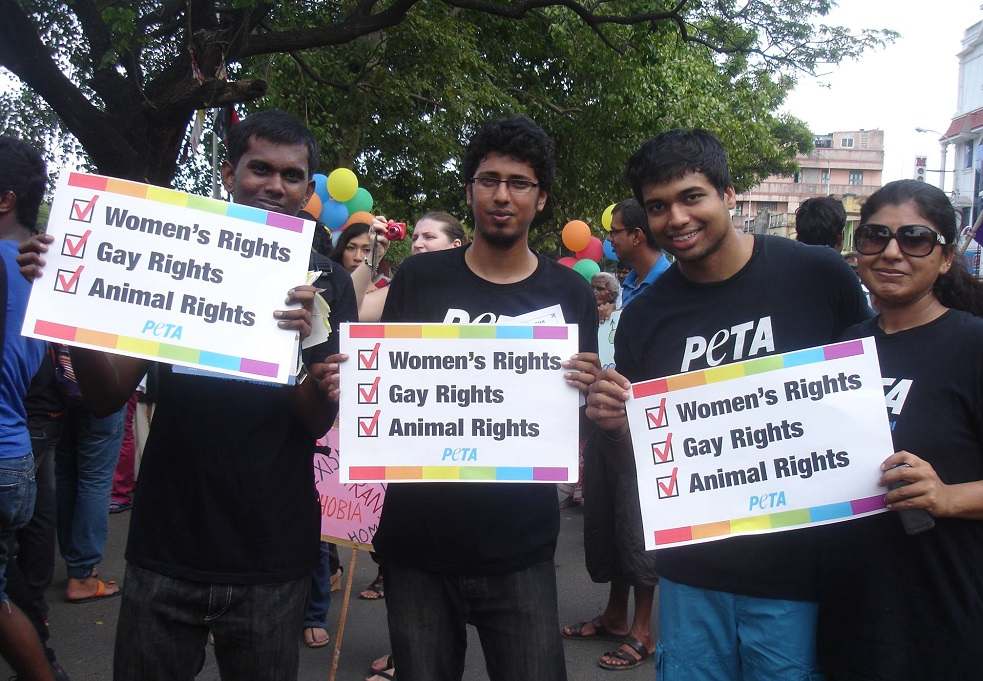
According to me, Delhi is very same sex friendly. There are restaurants and hotels here that openly host homosexual events. According to a public report, at least 21% of urban Indians claim to have attended a public event (a pride march) in support of LGBT people; 18% have attended a wedding of a same-sex couple; at least 19% have visited a bar or nightclub that caters primarily to LGBT people; and 30% claim to have spoken up against someone who was prejudiced against LGBT people.
The older generation of Indian people, as you might guess, is conservative. In addition, religious beliefs in India are becoming increasingly radical, with fundamentalists of every religion condemning homosexuality. In India, the ultra-religious and conservative people keep spreading the word that God has created only two genders, and tampering with them is unnatural. Due to this, LGBT group often faces violence.
I also found an article that said that in India after 2018, religious fundamentalists tried to disrupt the LGBT parade by shouting their discontent. The parade was, however, approved by the police. Of course, young people in India are more tolerant of LGBT people, especially in big cities. This trend is not limited to India. For example, in South Korea and Russia, many young people either do not care or are tolerant of sexual minorities.
India’s outlook is changing, especially that of urban India. There is still a lot to be done. Political and social pressure in India is now forcing people to decide what clothes they wear, what they eat, how they live. There have been attempts to reinstate section 377 and overturn the 2018 Supreme Court decision. Along with that, “legal India” is standing up for their rights. But let’s see who will win in the battle between social India and legal India.

About the Author
Ankita is a German scholar and loves to write. follow Ankita on Instagram 
Do Chinese people really shout when they speak, or is it just a perception?
This is similar to the loud-booing habit of people in Haryana, Uttar Pradesh, or some…

The Infamous “Churri” Chewers & Mysterious Red Spots: Timeless Tradition of Eating Pan Masala
first of all I defined that what is Churri ? because when I search this…
Why do Korean delivery drivers have more than one phone?
If you have been to South Korea and spent a few days there, you might…

Who is Isabella Rossellini
Isabella Rossellini, who is an Italian model and actress whose beauty does not show ageing,…

Who is Catriona Gray ?
Catriona Gray was born on January 6, 1994 in Cairns, Queensland, Australia, to a Scottish…
Does the universe have a mind ?
Can the universe think? Does the universe have a mind? Or does he have a…


