

On average, women live four to five years longer than men. The question of why women live longer than men has long occupied researchers. By now, one thing is clear: there is no single cause that can explain the gender difference in life expectancy. Rather, a complex interplay of various influences is responsible for it. Besides biological factors, other causes may also play a role.
Why women live longer than men: biological reasons
Anyone looking for reasons why women live longer than men must first look at genetic influences. Females have two X-sex chromosomes. Perhaps this could confer an advantage; if one of the two chromosomes is damaged, the other chromosome can compensate for the missing function of the first and thus contribute to survival.
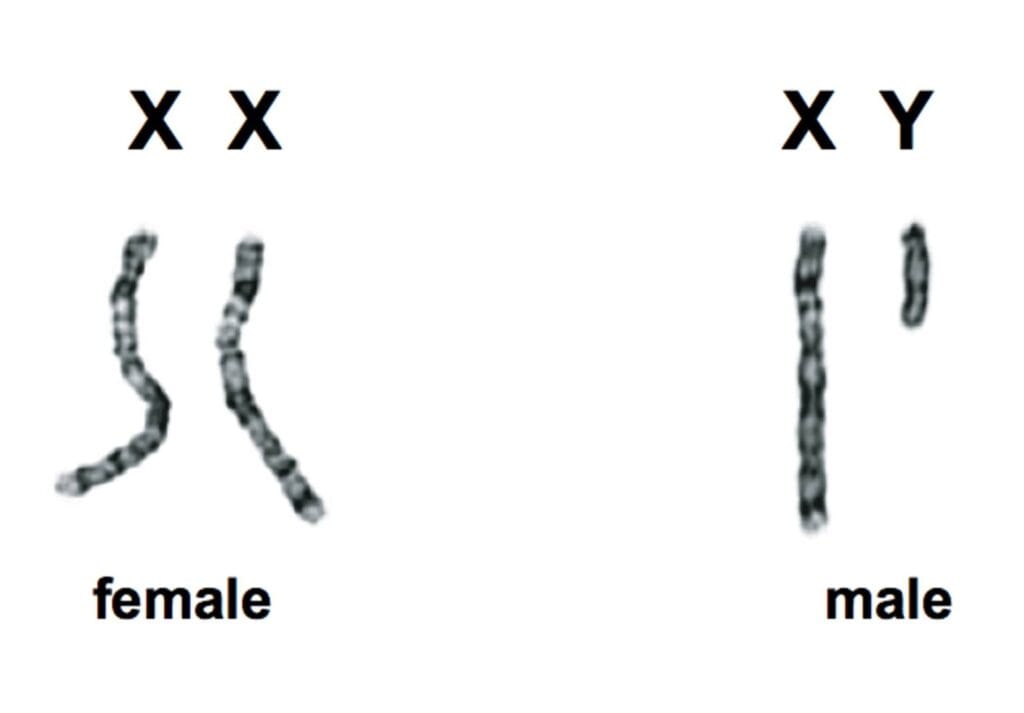
Animal studies show that living beings with two identical sex chromosomes live longer. In mammals, females have double sex chromosomes, in birds, males, and they live longer on average than their counterparts of the opposite sex, live for a long time.
Hormonal composition may also play a role:
women have a higher proportion of the female sex hormone estrogen. This, in turn, may explain the lower risk of developing what is known as coronary heart disease (CHD), at least until menopause. In the worst case, coronary heart disease can lead to a heart attack. In addition, women’s immune systems tend to be better at preventing potentially life-threatening infections than men’s. The reasons for these differences are not yet clear.
Why women live longer than men: other possible factors
In addition to biological background, scientists are researching other factors that may explain the difference in life expectancy between men and women. In fact, environmental influences play a role not only for animals but also for humans. This is supported by the fact that gender differences in life expectancy can play a larger or smaller role depending on the country or region as well as historical periods.
External factors affecting life expectancy in various ways include, for example, income and social status, as well as unhealthy lifestyles with high consumption of alcohol and tobacco, poor nutrition, a lack of exercise, or risky behaviour. In other words, women, on average, pay more attention to a healthy lifestyle. However, what eventually has the most impact on life expectancy has yet to be determined.
In most highly developed countries, average life expectancy has been steadily growing in recent years—for both men and women. This is attributable, among other things, to lower infant mortality and improved health care, such as through easily accessible screening for early detection of diseases or breakthroughs in treatment. Furthermore, aspects like sanitation, education, and how people work and live are critical.

About the Author
Ankita is a German scholar and loves to write. Users can follow Ankita on Instagram 

Do you know Belinda Bencic: Charming Swiss tennis player [pics]
Belinda Bencicise a charming and talented Swiss tennis player. She played her first professional tournament…

14 SIMPLE RULES OF A STABLE AND BEAUTIFUL MARRIED LIFE
A stable married life is like a big ship in the ocean. There are so…

7 things that scientists can’t answer
The origins of the Universe, the construction of the pyramids, and other mysteries have been…

The Hippie Culture: The 1960s West’s Rebellion for Love and Freedom that Inspired a Global Youth Movement
Whenever I see students of big Indian colleges or universities, I feel a different smell…
Piraha tribe : The Tribe who do not sleep
The Piraha tribe, with barely 400members,s dwells in the forests of the Amazon. These people…

Why you should get into the habit of saying NO ?
“The Power of No” is the ultimate key to your success and personality when you…
 manishhpro
  Olivia